Working With My Hands: A Man Who Is Autistic
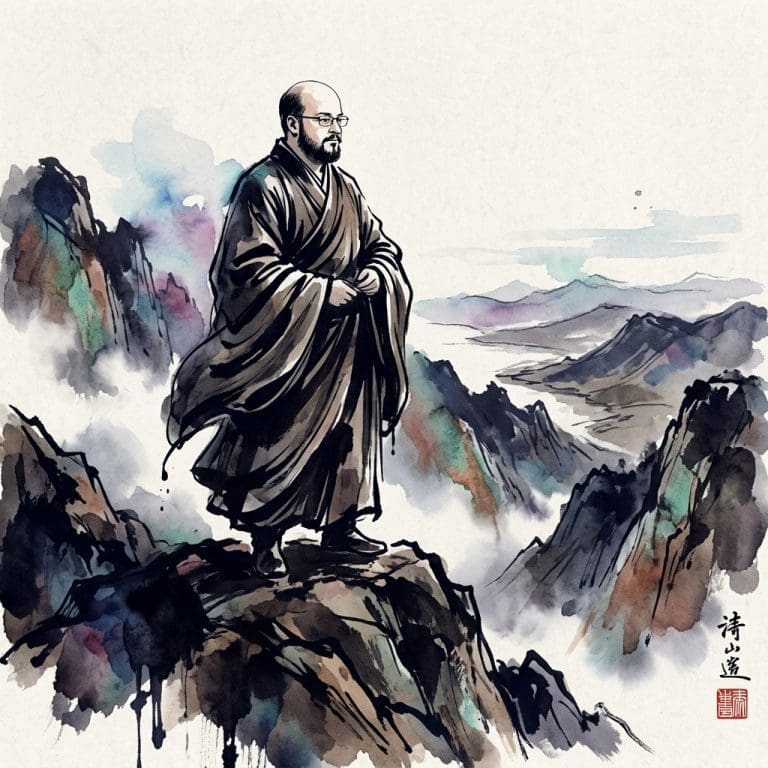
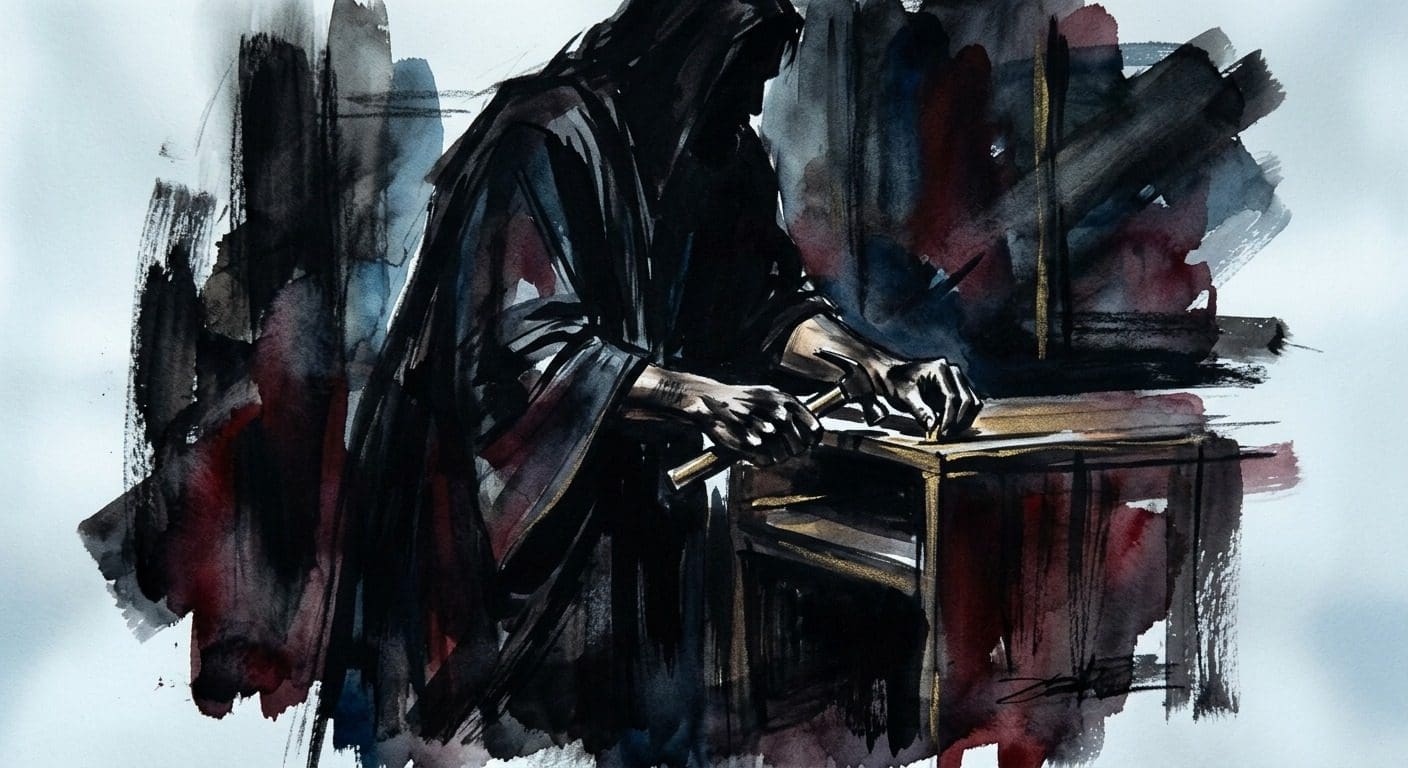
My hands are dirty. That’s because I’ve spent most of today building a work cabinet for my workshop. My special interest is building things out of wood.
“When I was a child, I used to speak like a child, think like a child, reason like a child. When I became a man, I did away with childish things.” 1 Corinthians 13:11 LSB
This is a really sensitive subject which probably will alienate some within the neurodivergent community no matter how carefully I tread, but I feel it must be voiced nonetheless.
To be fair, many of the social rules of typical society are arbitrary. On one hand, grown men dress in the shirts of professional players who throw balls around on a field and devote significant portions of their free time following it. Meanwhile, if other grown men play a card game with their friends that doesn’t fit the right “theme” approved by other adults, this is “immature and childish.” Forget that one involves passive observance and the other involves skill, community, and engagement. Neither are my cup of tea, but I see the frustration.
Add to this that many in the neurodivergent community developed socially at different rates or in different ways, and the final result is, to some degree, comparing apples to oranges.
All of this hedging is to say, I’m not blindly critical of the issues which some neurodivergents face nor broadly hostile to everything which doesn’t conform to a set standard. But still.
The neurodivergent community has created a sub-culture which praises, celebrates, and honors a lack of development and immaturity. Spend any amount of time in an active neurodivergent group and you’ll see varied discussions about someone’s “current hyperfixation” or listing of disabilities like scouting merit badges. Their identity has become the disability they argue isn’t a disability.
This past week I’ve wondered what it would have been like to know I was autistic earlier in life. I’ve settled on the conclusion I usually do with all of these things: God ordains all of my steps. As such, I’ve developed as a person without a framework of thinking I’m autistic. Instead of excusing my challenges behind a label of “I’m autistic,” I’ve had to learn to take what are autistic traits — without the label — and harness them to be more of an adult and be more like Christ.
I disciplined myself away from things which didn’t propel me forward. The wish to have my own business, to find a wife, to have children, my own home, a car. I have not obtained all of these things yet. But I push forward towards my goals.
My hands are dirty because I found a business I can build which appeals to my unique strengths and can compensate for my weaknesses. I might have an absurdly large Steam library of video games, but my identity is found in the wood, fire, and paint in my workshop. I took my skills, talents, and yes, autistic traits, and made them work for me.
My “authentic self” is not who I want to be. I want to be a better man. I want to be stronger. I want to be more disciplined. I want to be more like Christ.
This doesn’t mean a complete denial of myself or a forgetting of who God has made me to be as an individual. Discovering I’m autistic has given me so much more insight into my life. Learning I’m neurodivergent has given me tools to adapt, overcome, and navigate a world that I didn’t have before.
But I’m not capitulating to my neurology. I’m making it conform to the image of Christ.
Liked what you read? Subscribe for free.
Never miss out — Be notified of my latest articles!