Autistic Identity
There is this bizarre issue by identifying myself as “autistic.” I’ve lived most of my life not knowing I was autistic, decades and decades. It’s only been in the last year I suspected it, only the last week I knew for sure.
As such, I’ve learned to live life as being “just” a little weird, “just” a little anxious, or “just” a little confused about social cues. Everyone who knows me in person, who I told I thought I might be autistic, has responded, “Wow, really? You don’t seem autistic!”
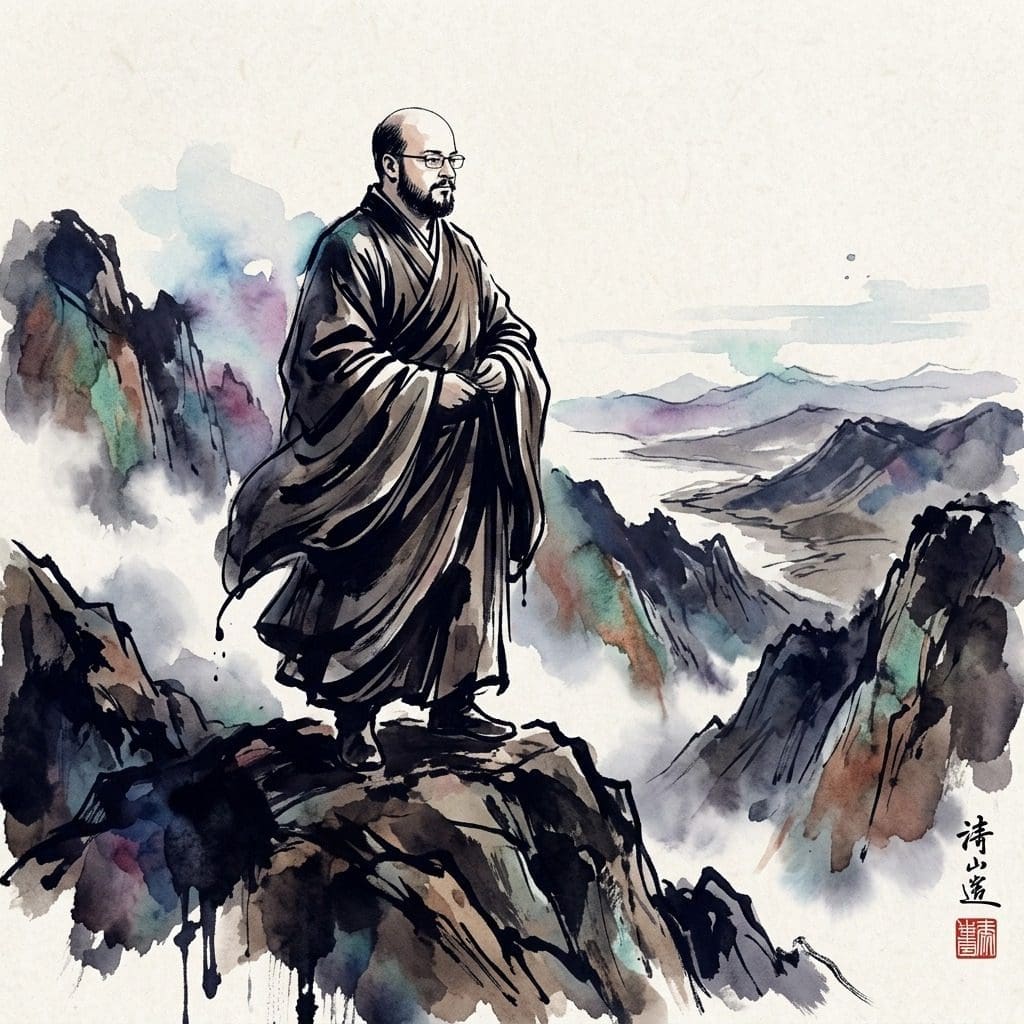
Over the last year, I “self-identified” as autistic because, well, truth be told, autism explained my life history perfectly. All of the “just” excuses became neatly explained behind autism. In spite of this, and at great personal expense, I pushed for a formal diagnosis because I needed to know for sure.
A few people questioned my desire to do this. Not in a bad way, but because what does a diagnosis do? In short, it provides a somewhat objective explanation for the last four decades of my life. And it did. Cleanly. I’ve been struggling this whole week.
I received nearly 30 pages of a report which described my inner turmoils with frightening precision. It’s one thing to know things you struggle with, it’s another thing to have a medical professional explain it in detail and then also explain how the different issues with yourself have interacted with each other and produced the current state of who you are, accurately.
It wasn’t that the diagnosis changed me. It was that it no longer allowed me to hide from who I really was.
Over years and years of relationships, conflicts, tensions, uncertainties, and yes, trauma, my mind had adapted to my own shortcomings in ways that were both effective and also very exhausting. These ways of thinking, interacting, and operating are just who I am. Who I as an adult have learned to function in a world that doesn’t quite make any sense. How I learned to cope with not understanding how relationships began or how relationships ended, or what part I played in the process.
Meanwhile, while all of this is happening, appearing relatively normal on the outside, through a complicated system of camouflaging consciously and subconsciously learned by observing the smallest detail — And mimicking it. No wonder why I was so good in theatre. Theatre was my life because theatre was my life.
But herein lies the problem, while a great many autistic people can identify with my struggles, the majority of autistic communities are very bizarre places for anyone who has lived their life as a normal person trying to be normal, and just wants to be a normal person, understood by other people, whoever they may be.
The name “The Prophetic Autistic” (my new Facebook page) was chosen because of a need to speak directly to the church regarding issues affecting people like me. That’s social media branding.
Truth be told, I don’t see myself as “autistic.” I see myself as a Christian man, who was diagnosed with autism at nearly 40, and overwhelmed at the grace of God in His life.
Liked what you read? Subscribe for free.
Never miss out — Be notified of my latest articles!