Quote: Tolerance
Tolerance isn’t agreeing with someone. Its respecting their right to disagree with you.
Liked what you read? Subscribe for free.
Never miss out — Be notified of my latest articles!


Creator
Matthew Edmund is a Christian writer, small-business owner, and civic participant writing on faith, culture, and public responsibility. He holds a Bachelor’s degree in Communication and Journalism from Oakland University and has been active in local politics and abortion abolition. He is the owner of FYRE.IS.
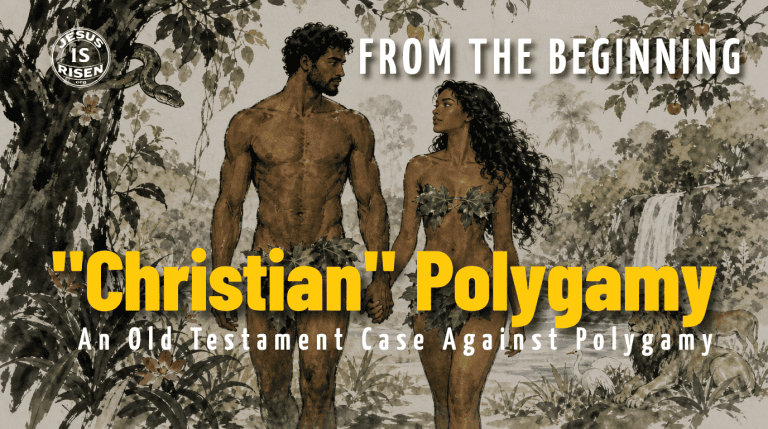
The New Testament writers don’t introduce this as new — they reiterate what marriage was designed for from the beginning: a picture of Christ’s singular, covenantal love for His Church (Eph. 5:22-33), as this article will show. Polygamy doesn’t just violate a command. It corrupts that picture.
This argument is essential for understanding and refuting the heresy of so-called “Christian” polygamists and polygynists who believe they are introducing a legitimate, alternate morality that is biblically defensible. It isn’t. It turns the theology of marriage on its head.

For all of my love of language, one thing I struggle to get behind is the idea of “living like there is no tomorrow” or “live like you only have X amount of time to live.” I appreciate the sentiment of not wasting time — but when I take the idea to its logical conclusion,…

The neurodivergent community has created a sub-culture which praises, celebrates, and honors a lack of development and immaturity. Spend any amount of time in an active neurodivergent group and you’ll see varied discussions about someone’s “current hyperfixation” or listing of disabilities like scouting merit badges. Their identity has become the disability they argue isn’t a disability.

Over the last year, I “self-identified” as autistic because, well, truth be told, autism explained my life history perfectly. All of the “just” excuses became neatly explained behind autism. In spite of this, and at great personal expense, I pushed for a formal diagnosis because I needed to know for sure.

Accepting that you are “neurodivergent” does not mean accepting the ideology of “neurodiversity.” One is a descriptive label. The other is a worldview.
Used precisely, neurodivergent describes divergence from the most statistically typical neurological profile. It is a categorization — it says nothing about power, justice, or how human beings ought to relate to one another.
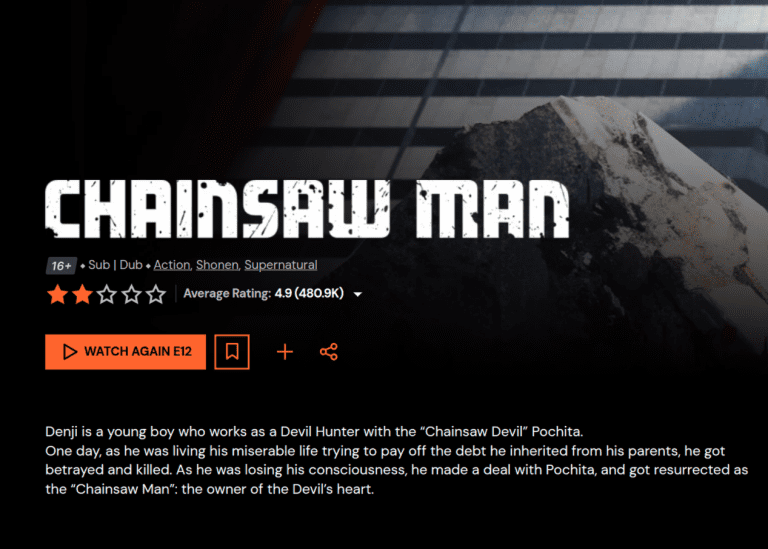
ujimoto hopes we’ll take the series as serious Shonen, shoehorning deep emotional beats. Amid the awkward teenage groping, we experience brutal carnage and gore, moments of pure hopelessness, death, and loss. Unfortunately, most of the characters are too hysterical or unbelievable for the audience to ever find a surrogate for the loss. Bad things happen, but you have a hard time feeling bad — because most of the characters don’t either.
Hey friend! It’s your old email buddy Deanna Gernert. (My last name has changed since then, but that’s neither here nor there.)
I was cleaning out an old email inbox the other day and ended up stumbling across your website.
Anyway, just wanted to say hi! Hope you’re doing well.
Also, on the post… I agree. I think a lot of people use the term “tolerance” as “agreement”. However, in my mind it’s the “agree to disagree” hand in hand with a primary drive of existing peacefully and harmoniously with the individual/group anyway.
Hi Deanna,
Good to hear from you! Did you get married? If so, congratulations! If not, details on the name change! lol
Doing pretty well. I’m actually getting an article of mine published in the Oakland University Post, which is exciting! It’s the first step towards getting more articles published elsewhere.
Hope all is well. Don’t be a stranger!